




Can blockchain free trapped wealth in emerging markets?
Digital tokens are created to represent real-world assets such as oil, copper, and natural gas

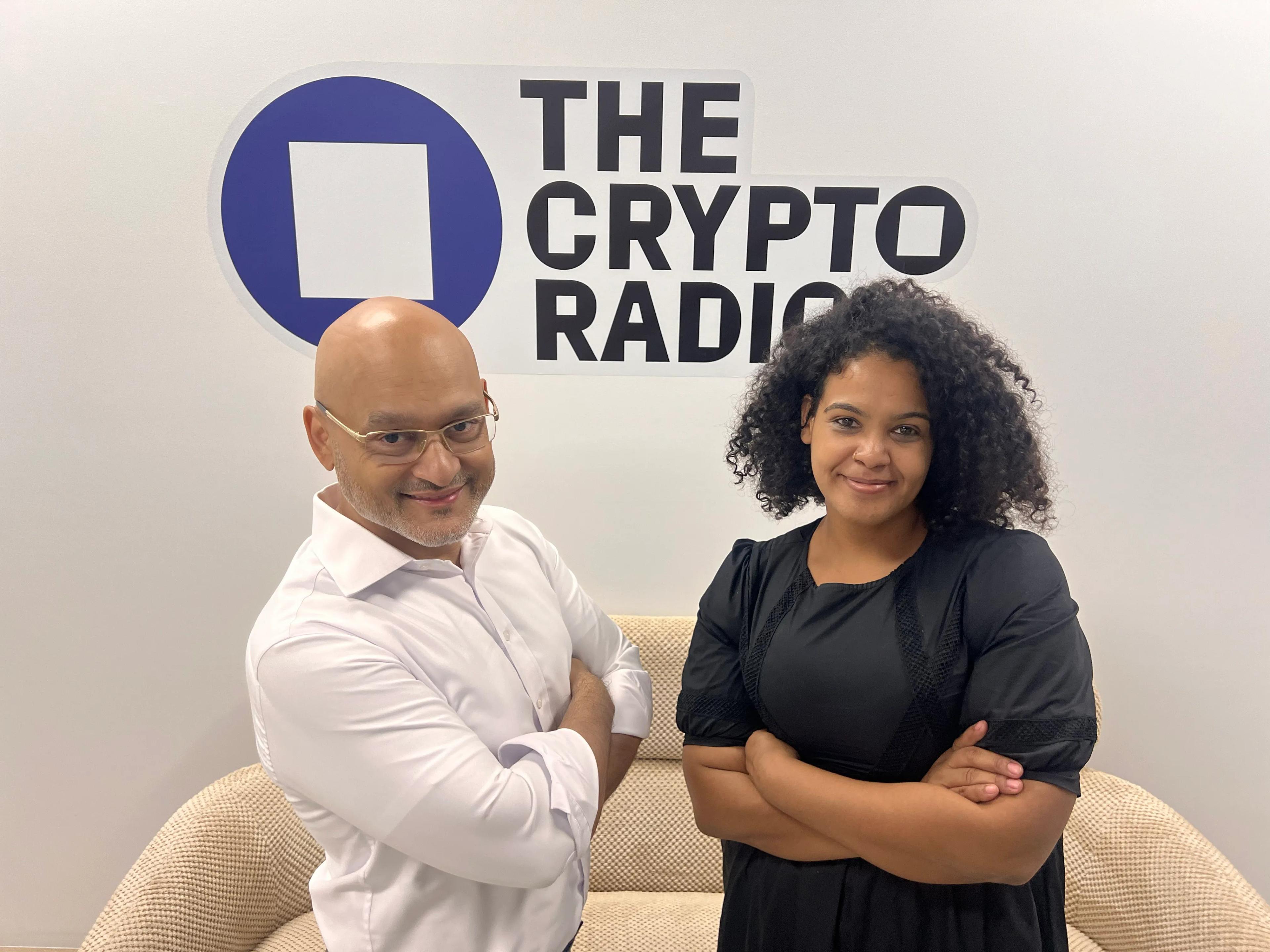
In the bustling financial hubs of the Middle East and Africa, a quiet revolution is underway. Blockchain advocate Khalid Howladar is at the forefront of a transformative effort to unlock the wealth trapped in the natural resources of developing economies.
By leveraging blockchain technology, Howladar is tackling a longstanding challenge: how to help emerging markets, often burdened with debt, realize the value of their natural resources.
“A lot of these countries are very indebted, so this could be a way to release some of that value buried under the ground and get it more into the hands of the country,” Howladar told The Crypto Radio.
How tokenization works
Through commodity tokenization, digital tokens are created to represent real-world assets such as oil, copper, or natural gas. This allows governments or investors to trade or leverage these resources digitally without selling them outright.
For countries in Africa and the Gulf region, tokenization offers a way to capture the value of natural resources in a secure and accessible way, providing a new avenue for economic growth without immediately depleting their assets.
Crypto meets Islamic finance
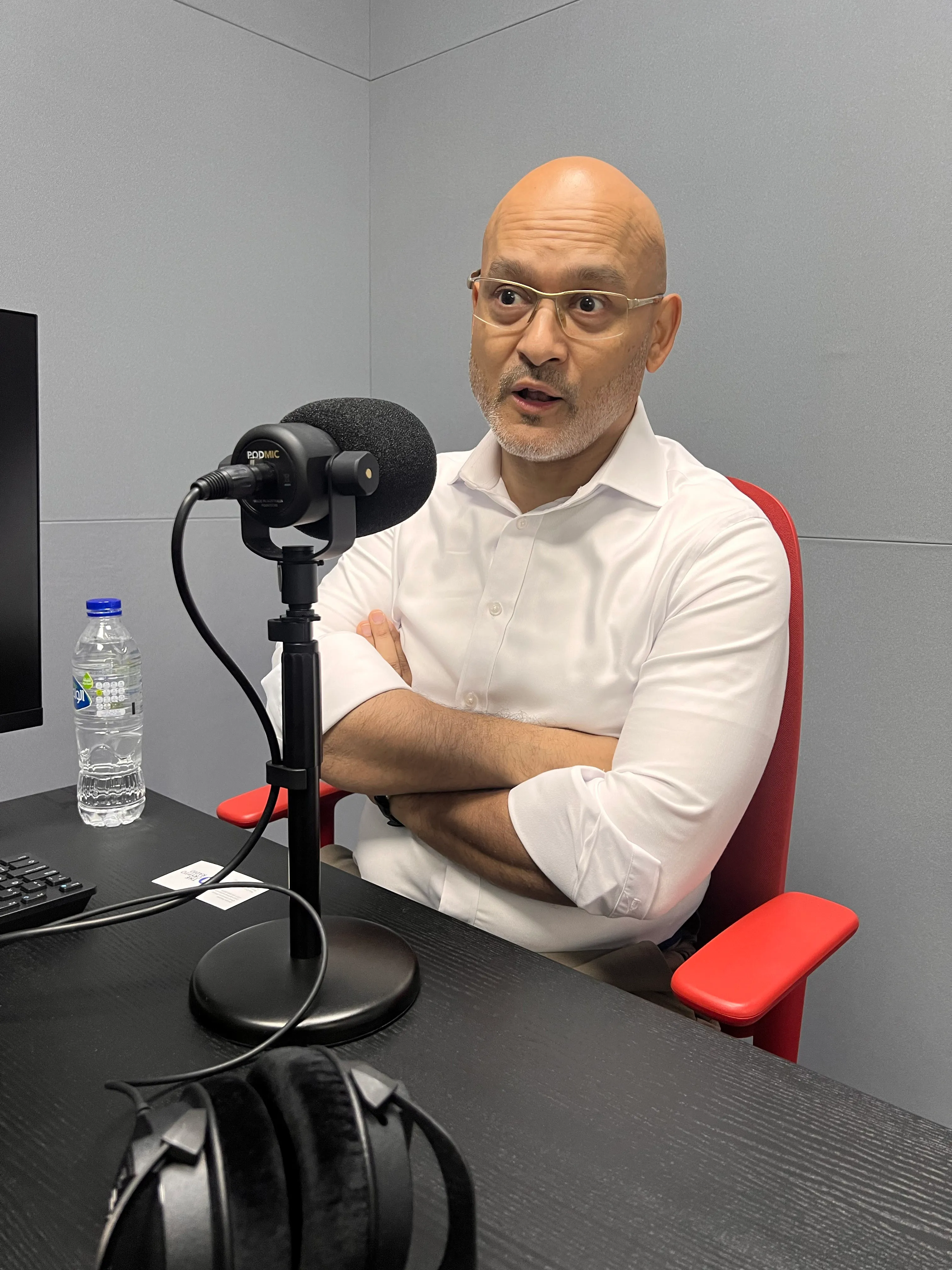
Howladar’s work doesn’t stop with commodity tokenization. He’s also exploring how crypto can align with the principles of Islamic finance—a $6 trillion global market that prioritizes profit-sharing and asset-backed investments over traditional debt-based lending.
“I don’t actually think, as it stands, Islamic finance does much that is different from conventional banks,” Howladar said.
However, he believes tokenization offers an opportunity for a shift toward a technology that aligns more closely with Islamic values. By putting asset-backed finance at the center of transactions, tokenization could enable Islamic finance to adopt blockchain in a way that is compliant with religious principles.
'Crypto is becoming more friendly'
One of the key challenges Howladar faces in implementing blockchain solutions is the issue of user adoption. Cryptocurrencies and decentralized finance (DeFi) platforms can be notoriously user-unfriendly, often requiring a high degree of technical knowledge.
“I wouldn’t want my mom, or anyone who isn’t tech-savvy, messing around with this type of stuff,” Howladar said. But he remains optimistic that this will change over time.
Reflecting on the early days of internet banking, he said what once felt daunting has become commonplace: “It’s becoming more friendly.
"When online banking first started, people didn’t trust it. But look at where we are now—no one thinks twice. I believe crypto will evolve in a similar way over the next five to ten years, to the point where you won’t even realize you’re using it.”
A vision for the future
Looking ahead, Howladar sees widespread adoption and integration of crypto into the global financial landscape. He believes that the involvement of larger players, including governments, will play a key role in mainstreaming decentralized finance.
“If it wasn’t for these state actors getting in on the game, I’d be a bit of a pessimist,” he said. “But with bigger players involved, there’s huge potential for the DeFi space.”
For frontier markets—emerging economies with less developed financial systems—crypto and DeFi could empower people by expanding access to financial tools, spurring economic growth and unleashing creativity.
“I think it unleashes humanity. I think it unleashes creativity, if you give people the tools,” he said.
Returning value to local economies
At the core of Howladar’s mission is his passion for using blockchain to put the value of natural resources back into the hands of the countries that own them. Through projects in Africa and the Gulf region, he aims to create digital tokens backed by assets like copper and oil, which can then be leveraged for capital or traded on global markets.
“Can you do more with them in-country?” he asked. “If we can build tokenization solutions that capture the value of resources locally, it could not only bring wealth to these nations but also allow them to retain more control over their own assets.”
Listen to the whole interview on The Crypto Radio's live player or in our Bigger Picture podcast.