




Plamen Andonov and Bulgaria's fight for honest money
'The winners are literally the people who take as much loans as possible,' he says – a broken system he hopes Bitcoin can fix

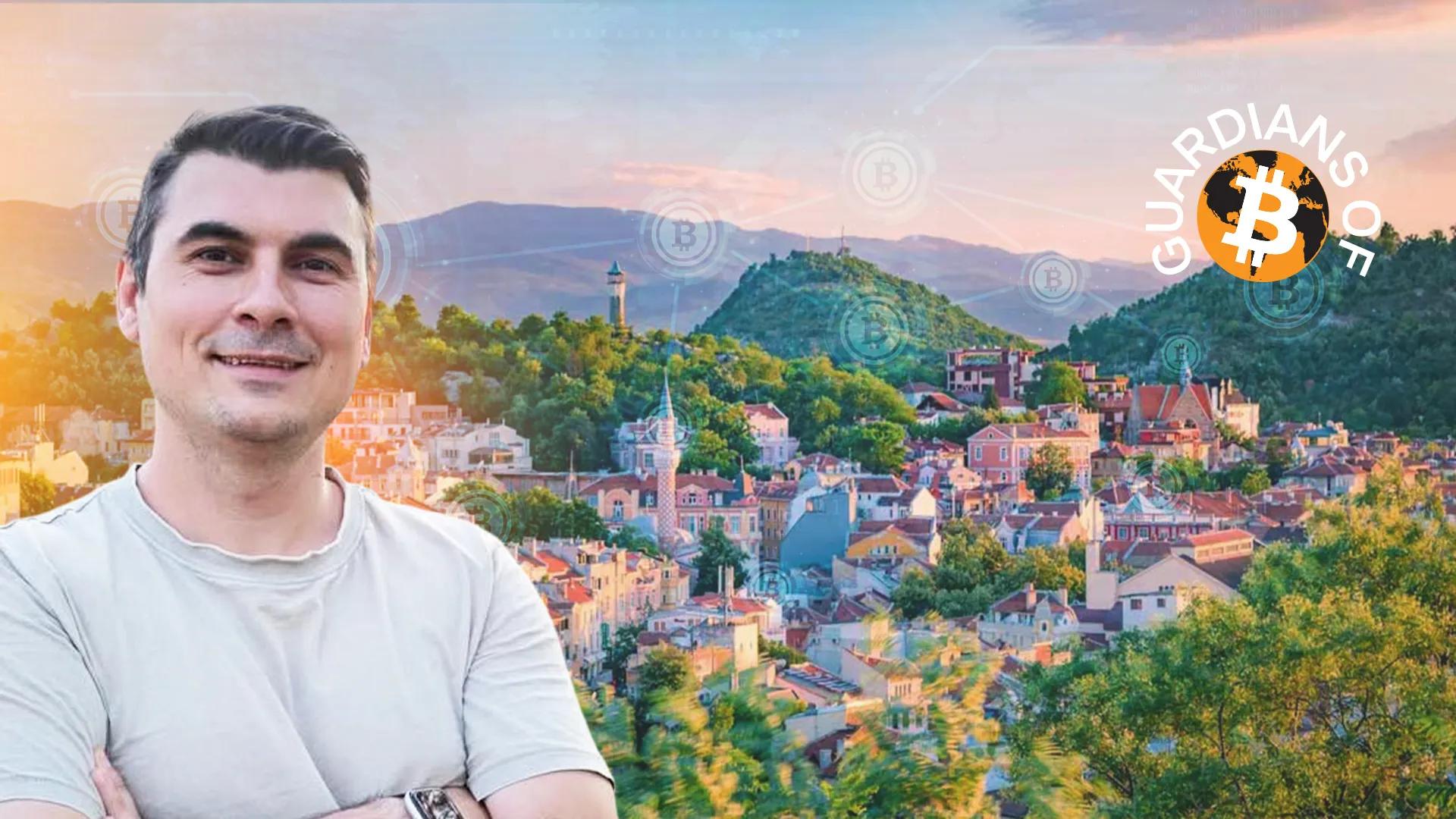
In 1996, Bulgaria’s economy unraveled so quickly that, as Plamen Andonov recalled, “if a loaf of bread cost you $2 it became $2,000 in just two years.” Two decades later, the software developer turned Bitcoin advocate decided he had seen enough of unstable money.
He came away convinced that private money could restore fairness. “I truly believed that if you have private money, we could fight off corruption and inflation,” he told Guardians of Bitcoin.
People who had saved money in the 1990s “got completely wiped out.”
“I realized that the biggest suckers in this world are the savers,” he said. “The winners are literally the people who take as much loans as possible.” Proving that the system is “broken,” and “the way to fix it is Bitcoin.”
Bitcoin, he said, is “a protocol of truth.”
The moment Bitcoin entered the picture
Andonov’s first brush with Bitcoin came in chat rooms back in 2011. “I was on these online chats of people trying to make money online,” he said. “Because me as a Bulgarian and Bulgaria being an ex-communist country, it’s a bit poorer than West Europe overall.”
Two German users kept praising Bitcoin, so he checked the price and thought he’d missed his chance. Years later, when he saw it again at $2,300, “I was like, 'Oh man, I missed my chance again.'” But discovering Andreas Antonopoulos’ videos changed his perspective.
“I was quickly hooked as a technical person,” Andonov said. “It makes so much sense that we should have micropayments but thanks to Bitcoin, with the Lightning Network, we can have it.”
By 2017, he was buying Bitcoin with every salary. “Bitcoin went to $20,000 then went to $3,000. I was like, 'I’m gonna lose all my money, but I hope that Bitcoin doesn’t die, because it’s that important.'”
How software shaped his belief in honest money

A software developer by craft, Andonov saw Bitcoin as a perfect piece of code. “The beauty of software is that once you write it, because it’s digital, millions of people can connect to the same software and use it,” he said.
“Bitcoin is the protocol because, literally, the Bitcoin client can be written in any programming language, it’s just a set of rules.”
He came to view Bitcoin as justice rendered in mathematics. “Bitcoin is literally truth,” he said. “You cannot lie to it.”
“I feel like I needed to fight for Bitcoin because I want it to succeed, because I really thought that it’s going to change the world if it doesn’t die out," he said.
Andonov’s philosophy of value is also meritocratic. “Everyone buys Bitcoin at the price they deserve, and everyone has the amount of Bitcoin that they deserve.”
From YouTube to Bulgaria’s first Bitcoin conference
Sofia has become a focal point for Bulgaria’s Bitcoin scene, hosting events like BTC Balkans where Plamen Andonov spoke earlier this year. Photo: BTC Balkans 2025
After spending several years working abroad, Andonov returned to Bulgaria in 2020 and found almost no educational material in his native language. “I checked if there was any person who creates regular content on Bitcoin, and there was only one,” he said. “So this was a niche I could fill.”
He launched a YouTube channel explaining Bitcoin in clear Bulgarian, drawing on his experience translating technical topics for non-technical clients. His videos built a community that soon led to in-person meetups – even during COVID restrictions.
By 2021, he had quit his job to focus entirely on Bitcoin education. “I wanted to be the Bulgarian Andreas Antonopoulos,” he said. “Not for fame or money, but for the people who maybe don’t speak English.”
That same year, he organized Bulgaria’s first Bitcoin Conference. “We created value for the Bulgarians who want to be part of the Bitcoin revolution,” he said. “They could finally see the people they used to watch online – shake their hands and thank them.”
Inside Bulgaria’s expanding Bitcoin communities

Conversations about Bitcoin often spill from online forums into Sofia’s cafés, where Bulgaria’s new crypto community meets face to face. Photo: Unsplash / Toa Heftiba
Andonov also helped open a three-storey Bitcoin Bar in Sofia in December 2023, complete with a garden, event space, and Bitcoin-themed artwork. "We put our heart and soul there," he said. "The community loved it – we had quiz nights, What is Bitcoin? nights, and live podcasts with audiences."
When his business partner stepped away, he closed the bar rather than run it himself but refused to let the idea die. "It’s one thing to chat online," he said, "but a completely different thing when people actually meet in person."
The space evolved into a Bitcoin Co-op, a legal entity with 21 members – "so no one is irreplaceable," he explained. "We share all the knowledge and tasks so the project can live on."
He also tracks Bulgaria’s progress with pride. Referring to BTC Map data, he noted that Bulgaria had “226 merchants” compared to 44 in Greece and fewer than 20 in Romania.
“Actually, today, Bulgaria is unrecognizable in Bitcoin adoption,” he said. “There are multiple active communities and meetups. It’s much easier to be a Bitcoiner – you don’t feel that crazy anymore.”
The movement, he said, isn’t confined to Sofia. "In Bulgaria, there’s always been this friendly rivalry between the coastal cities Varna and Burgas," Andonov laughed. "I’m from Varna, and people there became even stronger Bitcoiners just because I’m from Varna. We have a strong community there, a good one in Burgas, another in Plovdiv, and of course the largest in Sofia."
Many Bulgarians abroad also return for conferences and meetups, he added, "so adoption is spread across the whole country."
Why Andonov believes Bitcoin can stop wars
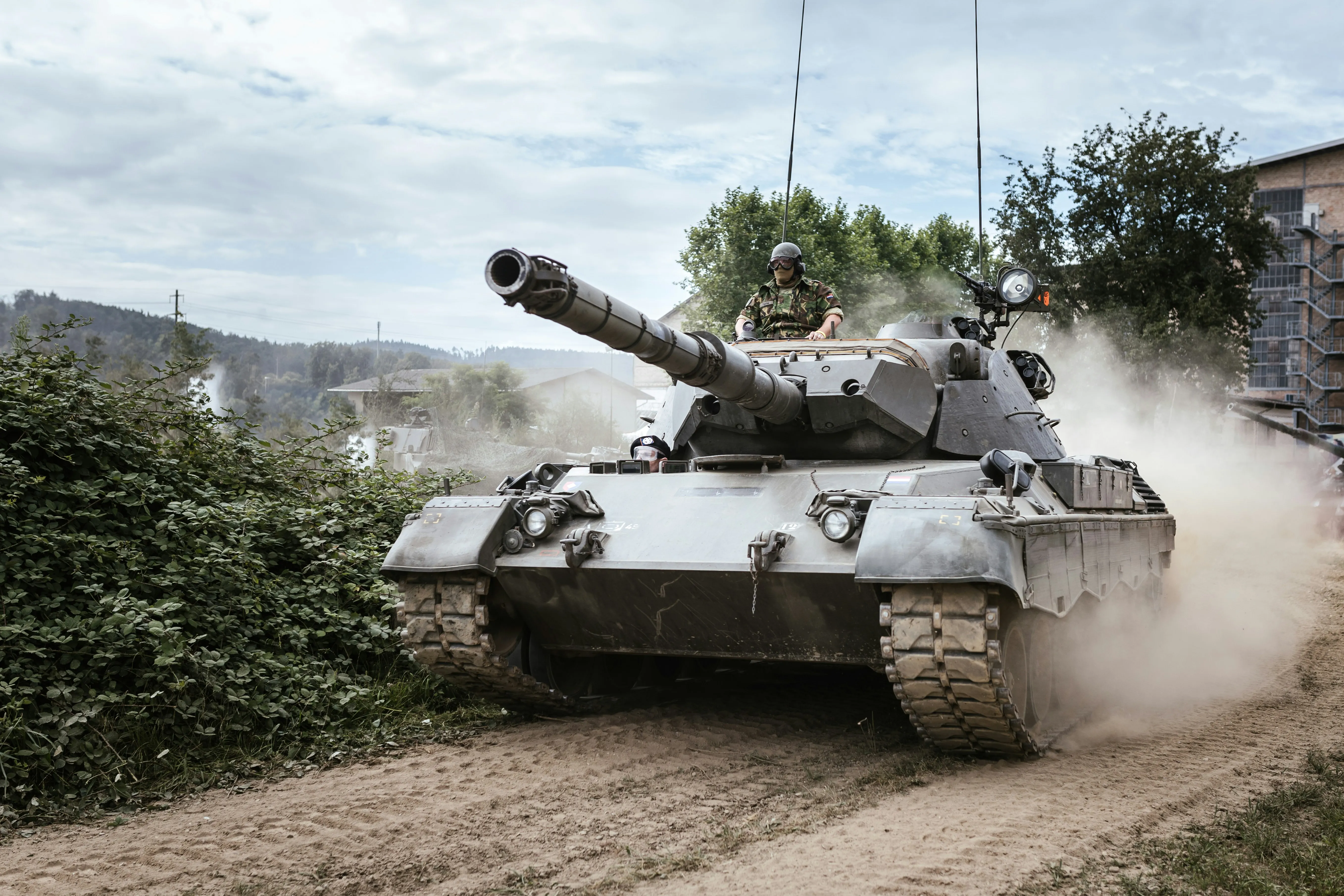
To Plamen Andonov, honest money is more than stability — it’s a safeguard against the endless financing of war. Photo: Unsplash / Kevin Schmid
Beyond Bulgaria, Andonov sees Bitcoin as a defense against corruption, inflation, and even war. He argues that large-scale conflicts are only possible because governments can print money to pay for them. "The way that wars are financed today is by printing money, and this is why Bitcoiners say 'Make war unaffordable'.”
“I believe that Bitcoin is going to fix the problem with wars,” he continued. “Sooner or later, Bitcoin as the pristine asset is going to be the one that everything’s measured into.”
He warned that while institutional adoption is growing, many investors will end up holding Bitcoin indirectly through ETFs or corporate treasuries. "This is the wrong way to own Bitcoin," he said. "Not your keys, not your coins – and you can’t spend that Bitcoin."
He predicted rising capital controls across Europe, citing limits on bank transfers and ATM withdrawals as early signs. "Being unable to send your money to an exchange, or capped at a few thousand pounds a month – that’s already a form of capital control," he said. "People will realize the value of Bitcoin not because of speculation, but because they can’t spend their money."
Even now as Andonov plans to step back from the Bitcoin circuit and back to his first love, software, his optimism endures. “Thanks to AI, robotics, technology, we’re going to have better healthcare, better education, and a bright future for humanity,” he said. “The only thing that can mess up humanity’s future is humanity itself.”