




GameFi: The rise and reality of play-to-earn
What blockchain gaming gets right, where it fails, and what players should know

Let’s be honest. Most of us have wasted money on Fortnite skins, cried over loot boxes, or tried to explain to our parents why gaming is a real hobby. Now here’s the wild part – what if all that time and effort could actually make money?
No, this isn’t about streaming all night on Twitch or selling maxed-out accounts on shady forums. This is about blockchain gaming and GameFi – where games aren’t just entertainment, but places where you can own what you earn, trade in-game items, and sometimes even turn playtime into real income.
But hold up. Is this actually the future of gaming, or just another crypto cash grab with better graphics? Let’s break it down.
What is blockchain gaming, really?
In traditional gaming, when you buy a sword, character skin, or rare item, you don’t actually own it. You’re basically renting it from the game developer. If the company shuts down the server tomorrow, your prized digital loot disappears with it.
Blockchain gaming flips that model completely.
Instead of game developers owning everything, you own your digital items. Your sword, skin, or character is stored on the blockchain – what I like to call “a fancy spreadsheet in the sky that never lets you forget you spent $10,000 on a virtual sword.”
Those items live in your digital wallet, not on the game’s server. That means you can keep them, sell them, trade them, or flex them on Discord like a digital Lambo. Think of it as using a digital deed for your in-game stuff.
Imagine grinding for weeks in World of Warcraft to unlock a legendary dragon mount, only for Blizzard to say, “Nah, we’re deleting that tomorrow.” In blockchain gaming, that mount is yours. Forever.
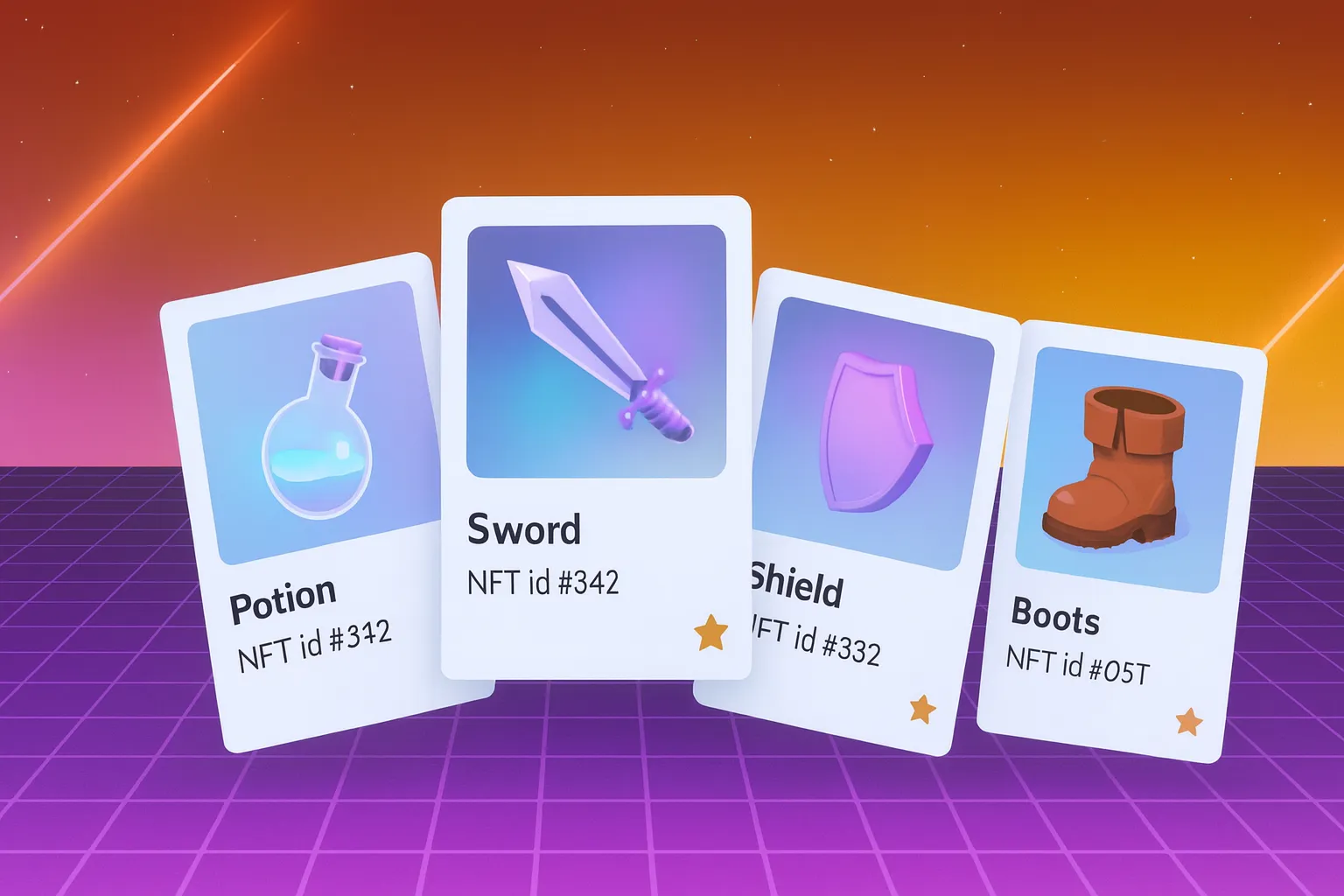
In-game skins, weapons, and wearables shown as player-owned NFTs – assets that can move freely between games, marketplaces, and players
Okay, so what is GameFi?
GameFi stands for gaming plus decentralized finance. The term was originally used to describe the mix of blockchain games with financial incentives – and yes, sometimes that includes earning real money.
When you play blockchain games, you might earn tokens or NFTs for completing in-game activities. Those rewards are stored on the blockchain, meaning ownership is transparent and can’t be secretly changed.
You can:
-
Trade them on marketplaces
-
Sell them for crypto
-
Stake tokens to earn additional rewards
Picture this: you’re slaying orcs, earning crypto, then staking those tokens to earn interest. It’s like if Skyrim had a stock market inside a dungeon.
Sounds crazy? It happened.
Real stories: when gaming paid the rent
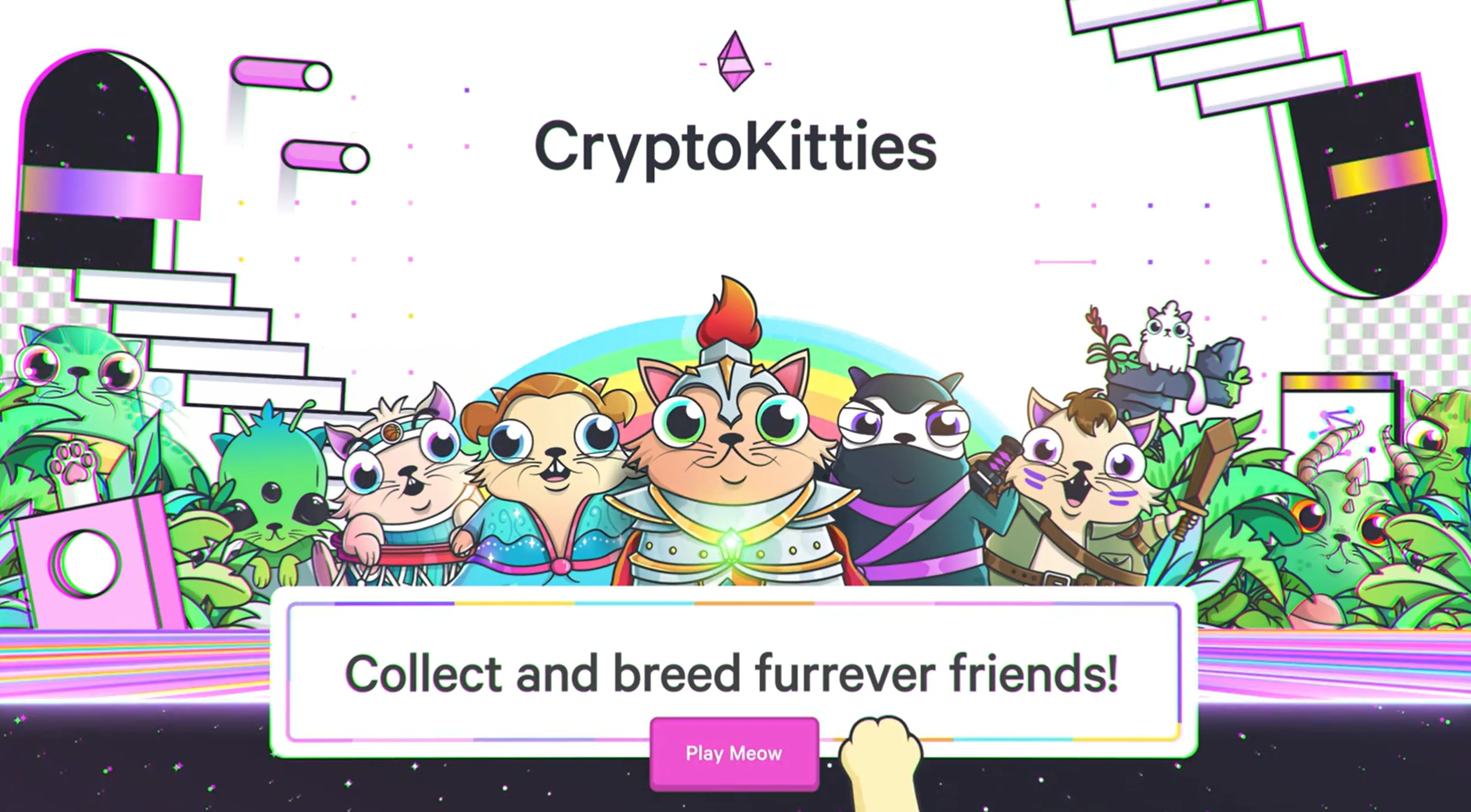
CryptoKitties became one of the first blockchain games to gain mainstream attention, briefly overwhelming the Ethereum network in 2017. Photo: CryptoKitties
During the pandemic, Axie Infinity became famous for turning gamers in the Philippines into full-time earners. Players were grinding cute axolotl monsters and making enough to support their families. It was play-to-earn in its purest form.
Then there’s Maria in Venezuela, a mother who reportedly earned more building virtual worlds in The Sandbox than at her day job.
And who could forget CryptoKitties? A digital cat-breeding game that became so popular in 2017 it clogged the entire Ethereum network, accounting for nearly 30% of all transactions at its peak. Yes – people were paying serious money for virtual cats.
But here’s the part most hype posts skip…
Axie Infinity’s economy later collapsed when too many players cashed out and not enough new players joined. Lesson learned: sustainable game economies matter.
Let’s bust some myths (true or false?)
Play-to-earn games are free money:
False. Early adopters made big gains, but today most games require skill, time, or upfront investment.
NFTs in games are just a gimmick:
False. NFTs prove ownership. In games like Illuvium, rare creatures can be battled, sold, or rented.
Blockchain games are only about money, not fun:
Half true. Early games were clunky and felt like finance apps with avatars. But newer titles focus on gameplay first.
You can get rich quick from blockchain gaming:
False. This isn’t a cheat code. Markets are volatile and effort still matters.
All blockchain games are scams:
Also false. Scams exist, but major studios like Ubisoft and Square Enix are actively exploring blockchain gaming.
And remember: protect your seed phrase, folks – or your rare NFT swords become a digital potato.
Triple-A games and eSports are creeping in
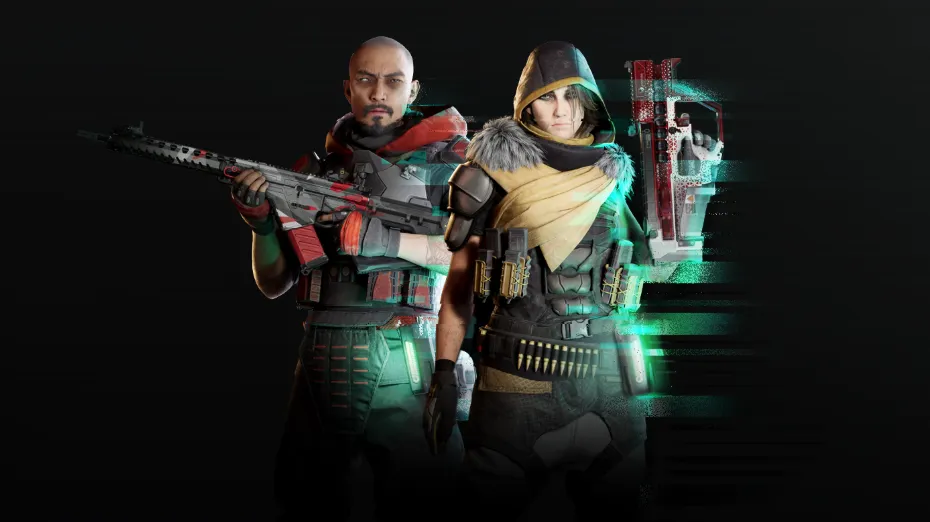
Shrapnel is part of a new wave of shooters that focus on gameplay first while giving players real ownership of what they earn. Photo: Shrapnel
This space isn’t just indie experiments anymore.
Games like Shrapnel, Big Time, and Illuvium are pushing high-quality graphics, competitive gameplay, and real ownership. These are actual games first – with blockchain added quietly in the background.
Even eSports could change. Instead of relying only on sponsorships, players may earn from in-game assets or even own a slice of the game itself.
There are even rumors about future releases experimenting with play-to-earn mechanics. Imagine playing a blockbuster title and earning from it. For a lot of gamers, that’s a pretty satisfying “told-you-so” moment.
Should you jump in?
Blockchain gaming has gone through wild highs and painful crashes. The hype phase is cooling, and what’s left is something more mature.
The games that survive will be:
-
Fun first
-
Economically sustainable
-
Easy enough for normal players
If you’re curious, start slow. Research the game, understand how it earns money, and don’t treat it like a guaranteed paycheck.
Because yes – your next gaming session might pay for your coffee.
But don’t quit your job just yet.
Welcome to the future of gaming – where fun comes first, and ownership finally belongs to the player.
Stay curious.