



Should you trust celebrity crypto endorsements?
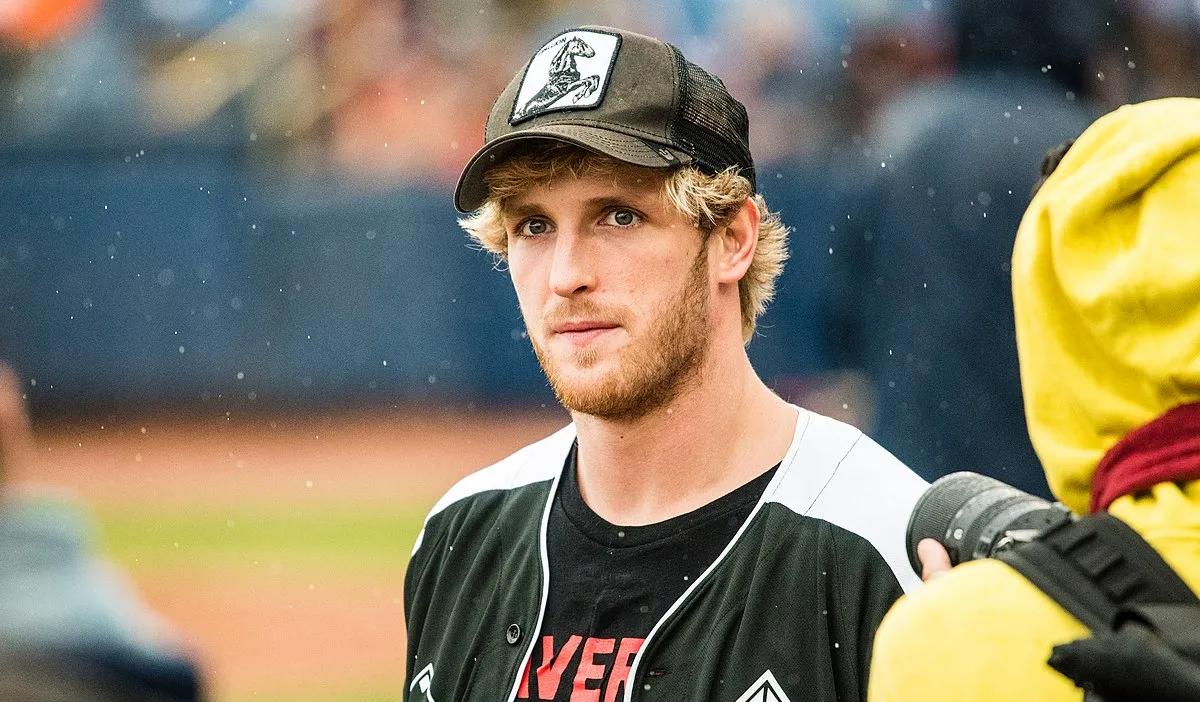
Logan Paul promoted Elongate, a digital token that soared in value before quickly crashing

As the crypto market booms, more celebrities and social media personalities endorse tokens and coins—but not without controversy.
These endorsements often spark a mix of excitement and skepticism. On one hand, prominent figures help amplify awareness of digital assets and the broader web3 space.
On the other, some have been linked to pump-and-dump schemes—a form of market manipulation where the value of a token is artificially inflated, only for insiders to sell it off, leaving unsuspecting investors to bear dramatic losses.
The Logan Paul controversy
Take Logan Paul, the social media star who has made headlines for his contentious ventures into crypto. With more than 23 million YouTube subscribers, Paul’s influence is undeniable, but his actions have raised questions about transparency and ethics.
In 2021, Paul actively promoted the memecoin Elongate, claiming in an exclusive fan club video that “Elongate made me rich,” and enthusiastically adding, “Elon baby, let’s go!”
Shortly after his endorsement, Elongate's price skyrocketed over 6,000% before crashing dramatically. According to BBC, an anonymous wallet linked to Paul's public account had purchased $160,000 worth of the token an hour before the tweet, selling most of it just 12 hours later for more than $120,000 in profit.
According to OneSafe, this is a classic example of a pump-and-dump scheme, which happens when the value of a cryptocurrency is artificially inflated to lure in buyers before insiders sell it at an overvalued price. This sudden sell-off reduces liquidity—meaning there aren’t enough buyers left to sustain the market—causing the token’s value to crash sharply.
Attempts by BBC to interview Paul over these allegations led to a bizarre incident involving a lookalike, disruptive protestors, and a legal threat to stop the publication of their findings.
In the same year, Paul also backed another token called Dink Doink, which he described as “the dumbest, most ridiculous coin” while hyping it to his followers. His promotion led to a rush of buyers, but the token’s value collapsed by 96% within two weeks.
TIME magazine investigations show that an anonymous wallet that acquired Dink Doink before Paul’s endorsement transferred $100,000 to his public wallet after the sale.
The broader landscape
Celebrity endorsements can drive huge interest in crypto, but they come with both risks and rewards. Influencers like Logan Paul have demonstrated how powerful their reach can be. Tech journalist Will Gotsegen explains, “A big guy with a lot of influence… someone like Logan Paul, buys a ton of crypto and tells their followers about it. They’re going to buy it too.” This influence can lead to price spikes, even if a token lacks real value.
The US Securities and Exchange Commission (SEC) has rules to ensure transparency. Its head, Gary Gensler, explained that if an influencer or celebrity endorses a certain token, they must “tell you if they get paid, how much they get paid, whether they own the tokens, whether they made money on the tokens, whether they actually know something about the project.”
Take Kim Kardashian, for example. In 2021, she promoted EthereumMax to her 330 million Instagram followers without revealing she was paid $250,000 for the post. The SEC fined her $1.26 million for failing to disclose the payment. EthereumMax’s price surged briefly, but soon crashed, causing losses for many investors.
Rapper Iggy Azalea recently endorsed Mother, a token aimed at empowering women in crypto. While it remains to be seen how this will unfold, some worry it could follow the same boom-and-bust pattern as other celebrity-driven tokens.
However, not all celebrity-backed projects end poorly. Dogecoin, for example, found success thanks to Elon Musk’s outspoken support. Musk’s tweets helped Dogecoin gain mainstream attention and attract both investors and businesses. With a strong community behind it, Dogecoin has managed to remain relevant and even be adopted as a payment method by some companies.
A widespread issue
While Paul’s case has drawn attention, the problem of questionable celebrity endorsements is far-reaching. Many influencers implicitly encourage trust without providing enough information, leaving their fans vulnerable.
The misplaced trust of fans—with the majority not doing their homework—could result in grave losses when celebrities and influencers are done pumping and dumping.
However, the reality is that celebrity crypto endorsements—both the credible and the less credible—may not die down.
For investors, the key takeaway is clear: Always DYOR—do your own research. Whether a token is promoted by a celebrity or not, it’s crucial to assess its credibility and potential risks independently. No one wants to fall victim to the next pump-and-dump scheme.